linda@xydishrack.com
+86-13431729140
86-750-6338203

A rust proof dish rack is never the result of one single feature. It comes from the right base metal, the right surface treatment, and the right verification process before shipment. In daily kitchen use, a rack faces standing water, detergent residue, humidity, food acid, and repeated cleaning. When any one part of the corrosion system is weak, rust starts at welds, cut edges, joints, or scratched areas first. That is why buyers should evaluate the full anti-rust design rather than only the product appearance.
The first factor is material selection. A carbon steel rack can be economical, but it depends heavily on plating quality because the substrate itself can rust once the protective layer is damaged. A Stainless Steel Dish Rack has a stronger corrosion foundation because stainless steel relies on chromium-rich alloy chemistry for protection. Type 304 stainless steel is widely known as 18 percent chromium and 8 percent nickel, and this composition is commonly used where good corrosion resistance and formability are both needed. For kitchen environments, that balance matters because racks need to resist moisture and still be shaped into shelves, frames, and drainage structures.
An aluminium dish rack performs differently. Aluminium does not rust in the same way as steel because it naturally forms a tough oxide film when exposed to air. That oxide layer helps protect the surface, which is why aluminium is often chosen for lightweight kitchen storage products. In practical use, aluminium also helps reduce shipping weight and makes larger racks easier to handle. For projects that care about appearance retention and easier everyday maintenance, aluminium can be a very competitive option.
Even good metal can fail if the finishing process is poor. Corrosion usually begins where water stays longer or where coating coverage is inconsistent, such as welded joints, bends, basket corners, drain tray edges, and screw connections. For plated iron racks, the real question is not whether a shiny chrome surface looks smooth on day one. The real question is whether pretreatment, coating thickness, adhesion, and edge coverage are stable from batch to batch.
This is why high-quality rust prevention depends on a full finishing route. The metal surface should be cleaned properly, oils must be removed, and the coating must bond evenly. On stainless steel, surface finishing should minimize contamination and preserve the passive layer. On aluminium, anodizing or other protective finishing can further improve durability and visual consistency. A reliable dish drying rack supplier pays attention to these invisible process details because they decide whether the rack still looks clean after months of humid use.
A rust-proof claim should be backed by testing, not only by marketing language. ASTM B117 is one of the most recognized salt spray practices for evaluating corrosion resistance in a controlled salt fog environment. ASTM itself notes that the standard covers the apparatus, procedure, and conditions for generating this environment. ISO 9227 is another widely used salt spray standard, and ISO states that it specifies the apparatus, reagents, and procedures for neutral salt spray and related methods used to assess corrosion resistance of metallic materials and coatings.
For dish racks, salt spray testing is useful because it helps expose early coating defects, pores, and weak spots faster than normal room conditions. At the same time, test hours alone should not be the only buying criterion. Test results become meaningful only when they are paired with stable production, consistent raw materials, and inspection at key stages. A serious dish rack manufacturer should be able to explain what standard is used, what sample area is evaluated, and what failure criteria are accepted internally.
| Factor | What to check | Why it matters |
|---|---|---|
| Base metal | Stainless steel, aluminium, or plated iron | Determines the starting level of corrosion resistance |
| Surface finish | Chrome plating, polishing, anodizing, passivation | Protects the surface and vulnerable edges |
| Weld quality | Smooth joints and even finishing coverage | Rust often starts at welds first |
| Salt spray testing | ASTM B117 or ISO 9227 reference | Helps verify coating and surface durability |
| Production consistency | Same process across batches | Prevents quality drift in bulk orders |
A product may use good material and still fail if the design traps water. Deep corners, enclosed tubes, narrow seams, and poorly drained tray channels all increase the chance of corrosion. A better dish rack design lets water leave quickly, reduces stagnant areas, and keeps accessories easy to detach and clean. This is especially important for multi-tier countertop racks and over-sink structures, where more joints and accessories create more possible corrosion points.
That is why a smart kitchen rack supplier looks at anti-rust performance from both materials and structure. Open drainage paths, balanced spacing, and removable parts support longer service life because they reduce long-term moisture retention instead of only hiding it.
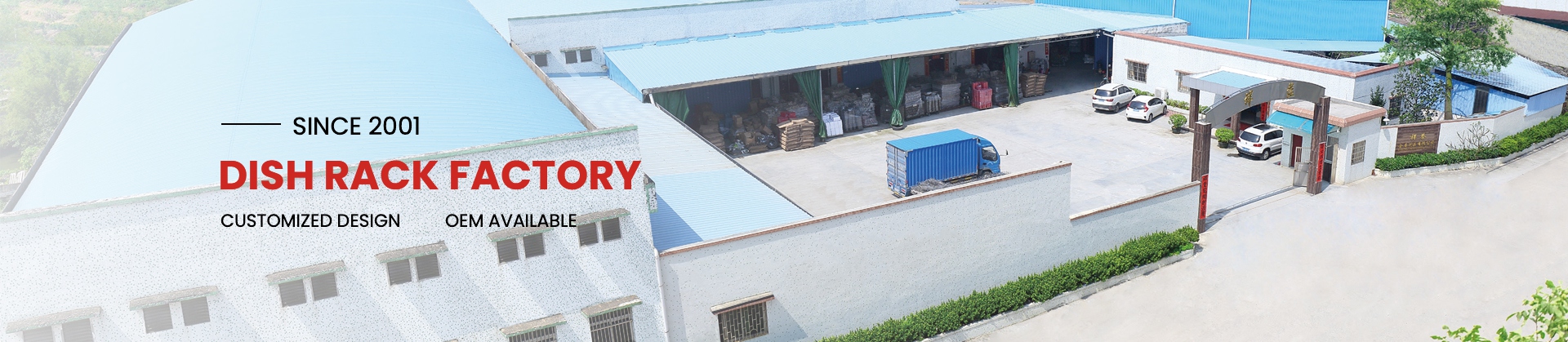
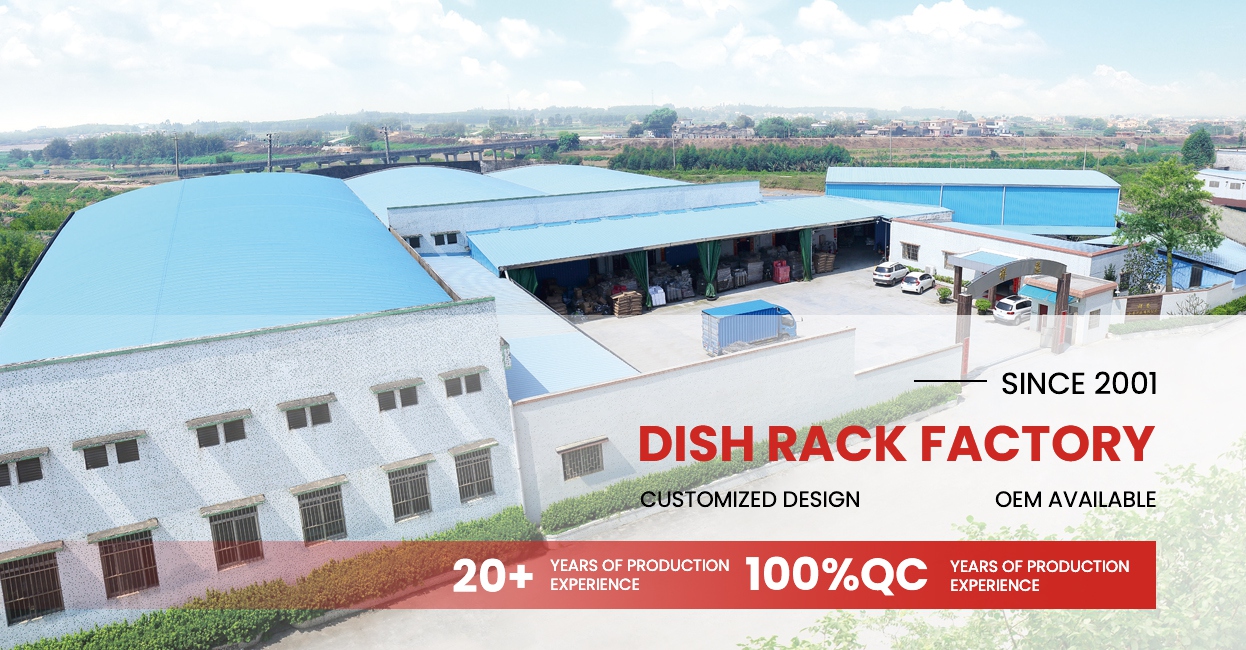
A rust-proof product is easier to specify when the factory already works with multiple material routes. XIANGYU states that it has been established since 2001, operates a 6,000 square meter factory, has about 100 employees, and focuses on aluminium dish racks, iron chrome plated dish drainers, and stainless steel dish dryers. The company also notes that OEM production is available. For buyers, this matters because the factory can align different materials and structures with different market positions rather than pushing one universal answer for every project.
For example, a reliable dish drying rack supplier should not only offer a stainless option for higher corrosion expectations, but also help balance weight, cost, finish, and shipping efficiency when aluminium is more suitable. A true OEM dish rack factory should also support finish adjustment, construction optimization, and batch consistency checks so the anti-rust promise remains practical in real orders. XIANGYU’s product range across iron, aluminium, and stainless categories gives that flexibility, which is an advantage for private label development and long-term sourcing.
What makes a dish rack rust proof is the combination of corrosion-resistant material, durable surface treatment, water-friendly design, and test-backed quality control. Stainless steel offers a strong anti-corrosion base, aluminium adds natural oxide protection with low weight, and plated steel can still perform well when the finishing system is tightly controlled. The best results come from factories that understand how these elements work together, not from appearance alone.
As a kitchenware manufacturer with broad dish rack categories and OEM capability, XIANGYU can support projects that need practical anti-rust solutions for different markets and price levels. If you are comparing structures, materials, or finish options for your next dish rack line, send your requirements and product goals to XIANGYU for a more targeted recommendation.
Previous: