linda@xydishrack.com
+86-13431729140
86-750-6338203

High humidity changes the way a dish rack performs over time. A rack may look strong on the day it leaves the factory, but in coastal regions, tropical cities, and poorly ventilated kitchens, moisture stays on the surface longer, drying cycles become slower, and corrosion risk rises fast. The result is not always dramatic rust at first. More often, failure starts with small signals such as dull spots, staining around welds, rough edges, coating bubbles, trapped water in corners, or tray deformation after repeated wet use. Humidity is a product problem because it turns minor design weaknesses into visible complaints. EPA guidance notes that indoor relative humidity should be kept below 60 percent, ideally between 30 and 50 percent, because high moisture levels support damp conditions, and corrosion guidance from the Nickel Institute also identifies humidity as a critical factor in corrosion potential.
A dish rack is exposed to repeated cycles of water, detergent residue, kitchen grease, and air movement. In a dry market, surface moisture may evaporate quickly enough that a basic finish survives for a reasonable period. In a humid market, the surface stays wet longer and deposited salts or contaminants remain active for more time. The Nickel Institute notes that salts can absorb moisture and form a corrosive damp surface film under moderate to high humidity, while Outokumpu explains that atmospheric corrosion on stainless steel often starts as discoloration and can progress to pitting in harsher conditions. That is why dish rack durability depends not only on metal choice, but also on structure, finish, drainage, and production control.
Some low-cost racks enter humid markets with metal grades or thickness levels chosen mainly for price. That may work in short-cycle retail, but it often fails when the rack is used daily in warm and damp kitchens. Bare carbon steel, weak plating layers, and unstable weld areas are usually the first trouble points. Even stainless products can show early surface staining if the grade is not matched to the environment or if fabrication leaves contamination on the surface.
Humidity quickly reveals whether plating or powder coating was applied correctly. If pretreatment is weak, oil residue remains, or coating thickness is inconsistent, moisture penetrates small defects and spreads under the surface. Buyers then see blistering, peeling, edge rust, or color change near bends and joints. These failures are often blamed on the climate, but the real cause is usually incomplete process control.
Many racks fail because the design keeps water instead of releasing it. Tubes without proper sealing, dense wire spacing, flat tray channels, and corner pockets create hidden wet zones. In humid regions, those zones dry slowly and stay active much longer. A true humid environment rack should move water away from contact points and reduce standing moisture after every wash cycle.
Welds are one of the most sensitive areas on a rack. If the weld bead is rough, overheated, or insufficiently polished, the surface becomes easier to stain and harder to clean. Moisture and residue collect there first. In practical use, this often becomes the place where complaints begin, even when the rest of the rack still looks acceptable.
Humid markets do not all behave the same. Coastal households, apartment kitchens with low airflow, and tropical rainy-season retail channels all stress products differently. A compact countertop rack may perform well in one region but fail in another if the tray depth, ventilation gap, and surface treatment are not adapted. This is why a dish rack for humid climate should be planned as a market-fit product, not a generic catalog item.
The table below shows the difference between a basic rack and a rack prepared for wet conditions.
| Item | Basic rack approach | Better approach for humid markets |
|---|---|---|
| Material | Low-cost plated iron only | Material matched to usage and climate |
| Surface treatment | Thin or inconsistent finish | Stable anti-corrosion process |
| Drainage | Flat water-holding layout | Sloped drainage and faster drying |
| Weld area | Rough and exposed | Smooth finishing and protected joints |
| Product testing | Visual inspection only | Moisture and salt-related durability checks |
The first step is to start with climate-oriented engineering. Material, coating, tray design, foot structure, and packaging all need to be checked together. A product that survives transport but traps moisture in storage can still fail early on the shelf or after delivery.
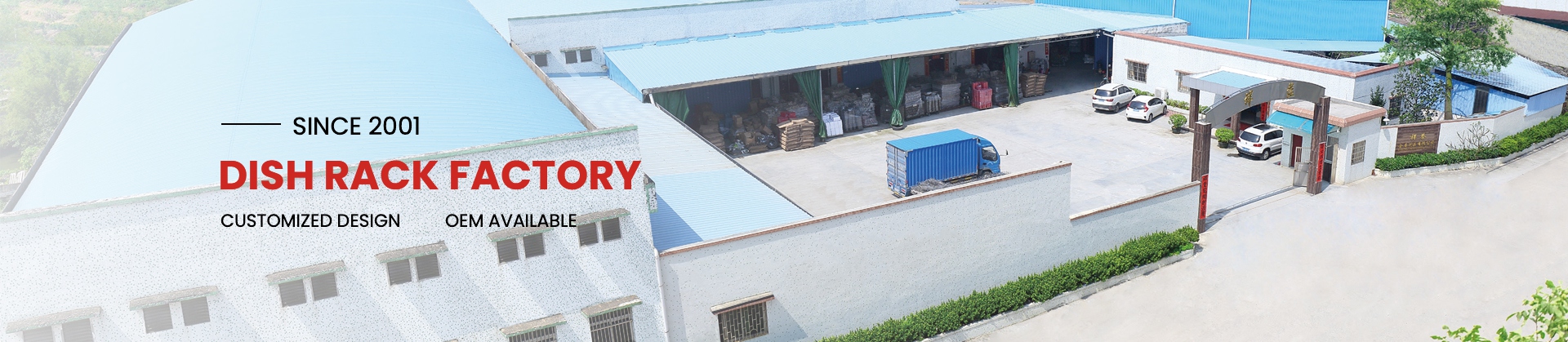
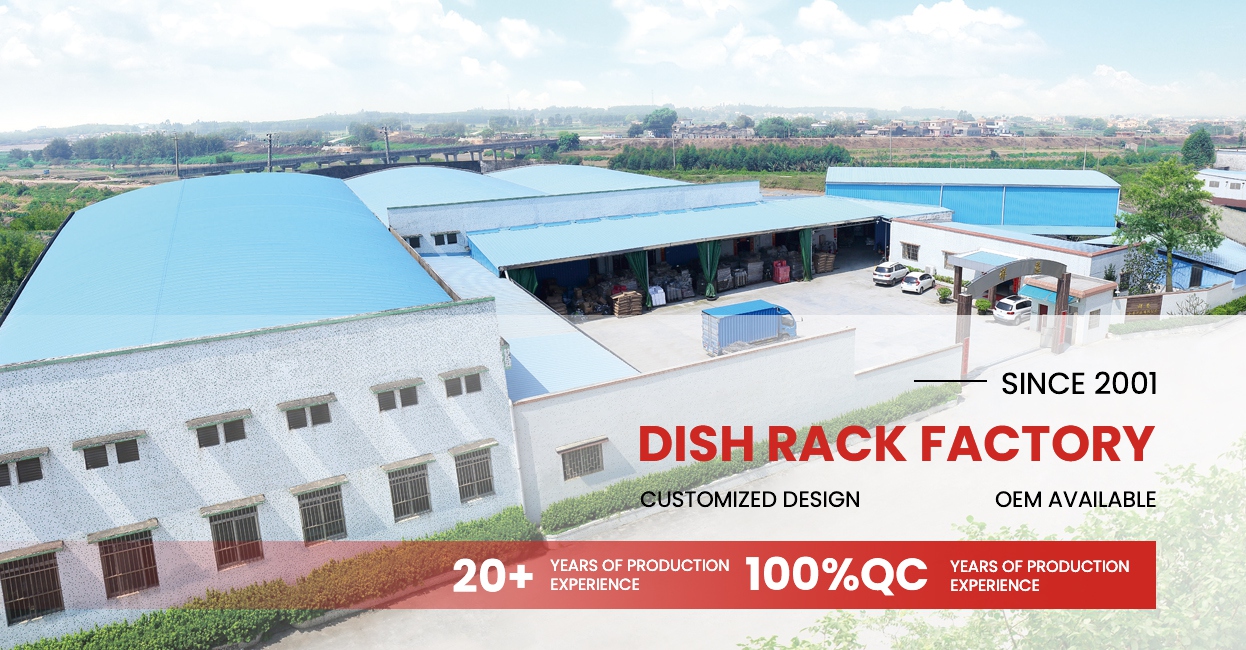
The second step is stable manufacturing. XIANGYU states that it has been manufacturing dish racks since 2001, operates a 6000 square meter factory, and offers aluminum, chrome plated iron, and Stainless Steel Dish Rack production with OEM support. That kind of category depth matters because humid markets rarely need one standard solution for every channel. A supplier that can align structure and finish to different price levels is more likely to deliver an effective anti rust rack rather than a generic model with a new label.
The third step is choosing the right product format. In many humid kitchens, a Single Layer Dish Rack performs more reliably than a complex multi-tier frame because it usually offers simpler drainage, fewer hidden joints, better airflow, and easier cleaning. The best-selling shape is not always the safest shape for long-term use.
The fourth step is validation. For importers and brand owners, it is worth asking how the supplier checks coating consistency, weld smoothness, tray drainage, and long-term exposure under wet conditions. A real anti rust dish rack supplier should be ready to discuss finish quality, structure details, and repeatability, not only styling and price.
XIANGYU focuses on dish rack manufacturing and covers iron, aluminum, and stainless steel categories on its site, including multiple single-layer and multi-layer models. The company also presents strict quality management, OEM capability, and long operating history in the category. For buyers sourcing home storage products, this matters because performance problems in humid markets are usually solved by manufacturing discipline and product adaptation, not by marketing language.
Dish racks fail in humid markets because moisture exposes every hidden weakness in material, finish, drainage, and structure. Rust, staining, coating lift, and tray problems are rarely random. They are usually the result of product decisions made too early and checked too late. When a rack is designed for real humidity exposure, the product lasts longer, looks cleaner, and creates fewer after-sales issues.
XIANGYU can support projects that need better corrosion resistance, category flexibility, and more dependable production control. If you are evaluating a new rack line for wet or coastal markets, send your target market, material preference, and product requirements, and we can help you match the right solution with practical factory guidance.
Previous: