linda@xydishrack.com
+86-13431729140
86-750-6338203

Reducing shipping damage starts long before cartons reach the container. dish racks are lightweight compared with many kitchen products, but their wire structures, welded joints, trays, and surface finishes can still suffer from scratching, bending, coating wear, and deformation when packaging is too loose or when cartons are not designed for stacking pressure. This matters even more in export logistics, where more than 80 percent of world trade by volume moves by sea and containerized trade continues to grow, which means more handling points, more route pressure, and more exposure to vibration and compression during transit.
Most transit loss does not come from one dramatic event. It usually comes from repeated small impacts. A dish rack may leave the factory in perfect condition, then face carton stacking in the warehouse, forklift movement, pallet vibration, container loading, inland delivery, and unloading at destination. ISTA explains that its 3 Series protocols simulate damage-producing motions, forces, and transport conditions because real distribution environments combine vibration, impact, compression, and multiple handling exposures. ASTM D4169 also defines performance testing for shipping units at levels representative of actual distribution hazards.
For dish rack products, the most common risks are easy to identify. Metal frames can rub against accessories. Drain trays can shift inside the box. Narrow corners may puncture weak cartons. Powder-coated or plated surfaces can be scratched when separators are missing. Taller two-tier structures can also suffer from bending if the export packaging rack is not designed to control movement inside the carton.
A reliable dish rack packaging plan should protect three things at the same time: product shape, surface finish, and carton strength. For most dish racks, this means using a close-fit inner arrangement rather than simply placing all parts into one color box. The frame should be fixed to limit internal movement. Accessories such as cutlery holders, trays, and side attachments should be packed in separate protective sleeves or compartments. Surface contact points should include foam, paper wrap, or protective bags to reduce abrasion during long transport cycles.
Corrugated carton performance also matters. Edge Crush Test is widely used to evaluate how a corrugated box resists stacking pressure and box compression. That makes it highly relevant for palletized export shipments, where cartons may sit under other loads for extended periods in warehouses and containers. For manufacturers shipping in volume, carton selection should match actual stacking height, pallet pattern, and route length rather than only product weight.
XIANGYU supplies iron, aluminum, and Stainless Steel Dish Racks across single-tier, double-tier, triple-tier, roll-up, foldable, expandable, and over-the-sink categories. That wide product range is important because shipping protection should be matched to the product structure. A compact single-tier rack usually needs stronger surface protection and stable accessory separation. A two-tier or over-the-sink rack needs stronger structural support inside the carton to prevent frame movement and joint stress. Foldable items often need protection at hinge points and edge contact areas.
| Product type | Main shipping risk | Recommended packaging focus |
|---|---|---|
| Single-tier metal rack | Surface scratches and tray movement | Protective bag, tray separation, corner pads |
| Double-tier rack | Frame bending and joint stress | Inner fixing points, foam blocks, stronger outer carton |
| Aluminum rack | Cosmetic damage on visible finish | Individual wrapping, anti-rub partitions |
| Stainless steel rack | Denting during compression | Tight fit carton, reinforced corners, pallet stability |
| Foldable rack | Hinge wear and edge friction | Locked folded position, sleeve protection, part isolation |
The table above works especially well for an export kitchenware line because it connects package design to real product behavior during transport rather than using one box method for every SKU.
When customers ask how to pack dish racks safely, the answer should include both unit packaging and outer logistics control. Unit packaging should keep every component fixed, separated, and protected. Outer logistics packaging should protect carton integrity during stacking and handling. Palletization should keep cartons square and stable, with stretch wrapping tension high enough to secure the load without crushing the cartons. Labels should identify carton orientation, model mix, and handling instructions clearly, especially for mixed container loading.
A complete dish rack export packaging solution often includes these steps:
Separate metal frame and removable accessories
Add anti-scratch film, bag, or paper wrap on finish-sensitive parts
Use inserts or partitions to stop internal shifting
Select corrugated cartons based on stacking load, not only item weight
Add corner protection for tall or multi-level designs
Standardize pallet size and carton arrangement for cleaner container loading
Perform drop, vibration, and compression validation before mass shipment
This is where testing creates value. Transit testing is not only for fragile electronics. For kitchen organizers, it helps verify whether a packaging design will survive real export handling before claims happen in the destination market.
Packaging alone cannot solve every problem. Shipping damage also drops when logistics choices are planned earlier. Carton dimensions should fit pallet footprints efficiently to reduce overhang. Overhang increases edge crush risk and makes cartons easier to deform in handling. Container loading should keep heavier cartons at the base and avoid mixing unstable shapes that create movement during ocean transit. Route planning also matters because UNCTAD notes that maritime chokepoints and disruptions have increased pressure on transit times and routes in recent years. Longer routes raise the value of stronger packaging verification and cleaner load planning.
For metal rack shipping, consistency is often more important than overpacking. Excess material adds cost, while poor standardization creates variable damage rates. The best approach is repeatable packaging specifications linked to each model, each carton size, and each pallet pattern. That gives buyers a more dependable export packaging rack process across reorder cycles.
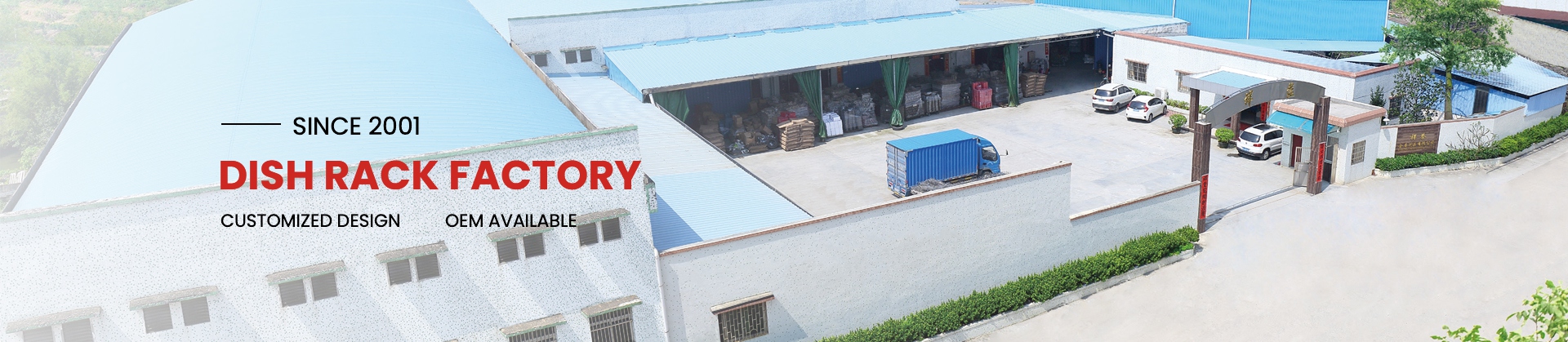
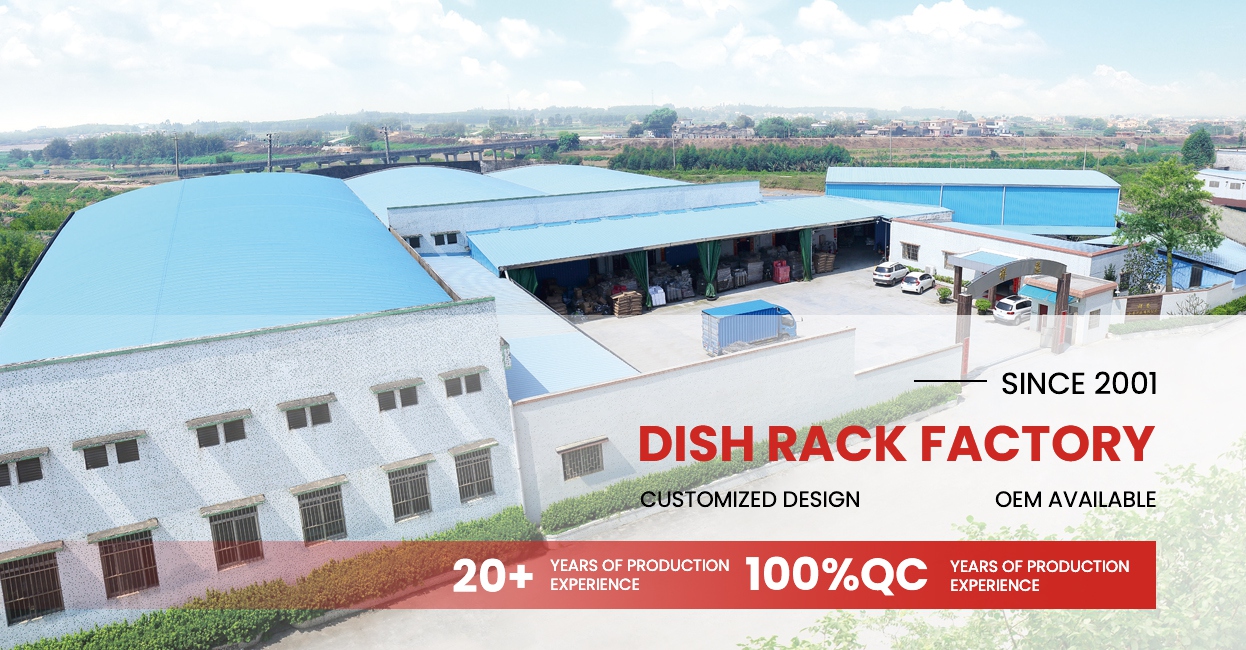
XIANGYU has been manufacturing dish racks since 2001 and presents a 6,000 square meter factory, about 100 employees, OEM capability, and a catalog of 120 products across multiple material categories. The company also states that it operates with a complete production system from raw material processing and mold design to surface treatment and packaging. That kind of integrated production matters because packaging performance improves when product design, surface finishing, and packing specifications are developed together rather than treated as separate steps.
For buyers comparing suppliers, this is a practical advantage. When the manufacturer understands the rack structure, coating finish, accessory layout, and carton requirements as one system, it becomes easier to control damage risk, improve loading efficiency, and keep product appearance stable after arrival. That is the foundation of a dependable dish rack packaging strategy and a stronger dish rack export packaging solution for global shipments.
Lower damage rates come from disciplined details: the right carton strength, proper part separation, transit-oriented testing, stable palletization, and export-aware loading. For dish rack suppliers, good packaging is not only protection. It is part of product quality. In international trade, the shipment is judged the moment the carton is opened, and the condition of the rack directly affects reorder confidence. XIANGYU’s multi-material product capability, integrated manufacturing flow, and export-focused production structure make it easier to deliver safer, cleaner, and more consistent shipments across global markets.