linda@xydishrack.com
+86-13431729140
86-750-6338203

Material choice has a direct impact on how a dish rack performs in daily kitchen use, how long it keeps its finish, and how well it fits different market expectations. For buyers comparing a dish rack material, stainless steel, aluminum, and iron each have clear strengths, but they do not serve the same purpose equally well. For today’s market, aluminum stands out as the most balanced option when lightweight structure, rust resistance, appearance stability, and commercial practicality matter at the same time.
A dish rack works in a wet, high-frequency environment. Water, detergent residue, steam, and repeated loading all test the surface and frame every day. That is why material selection is not just a cost question. It affects corrosion resistance, weight, maintenance, shipping efficiency, and long-term user satisfaction. XIANGYU manufactures Iron Dish Racks, Aluminum Dish Racks, and stainless steel dish dryers, with customization and OEM support, so the company sees firsthand how different materials match different market needs.
For buyers serving modern retail and private label channels, the best material is often the one that balances performance and presentation. A rack may look attractive on day one, but if the coating fades, the frame feels too heavy, or the structure begins to show rust in humid kitchens, reorder confidence drops. This is why metal dish rack comparison has become an important part of sourcing decisions.
A stainless steel rack is widely known for corrosion resistance, hygiene, and durability. World Stainless notes that stainless steel is extensively used in kitchen and cooking applications because it is chemically inert in normal kitchen use and resists corrosion well. That makes stainless steel a strong option for markets that prioritize premium appearance and long service life.
The advantage of stainless steel is stability. It performs well in wet conditions, supports a clean surface finish, and communicates a strong quality image. For premium kitchen channels, this remains an attractive choice. The limitation is weight and cost. Stainless steel is much denser than aluminum. Typical aluminum density is about 2.7 g per cubic centimeter, while Type 304 stainless steel is around 8.0 g per cubic centimeter, so stainless steel structures are significantly heavier when designs are comparable. That difference matters in freight planning and carton efficiency.
An aluminum dish rack is the strongest all-round choice for many current markets. European Aluminium highlights aluminum’s corrosion resistance and light weight, two properties that are especially relevant in kitchen storage products that need frequent handling and stable performance in humid conditions. XIANGYU’s aluminum range includes 1-tier, 2-tier, and 3-tier models, showing that the material works well across compact and large-capacity designs.
The key advantage of aluminum is balance. It is much lighter than stainless steel, but it still offers strong structural potential when the design is properly engineered. This supports easier assembly, lower shipping weight, and more user-friendly daily movement on the countertop. From a market perspective, aluminum also suits modern styling very well. Powder-coated and refined surface treatments help create a clean visual profile that aligns with current kitchen trends. XIANGYU’s product pages show aluminum dish drainers in multiple colors with customized logo options, color box packaging, and MOQ support for scaled orders.
Aluminum also has a strong sustainability message. The International Aluminium Institute states that recycled aluminum can save about 95.5 percent of the energy required for primary production. That makes aluminum highly relevant in markets where material efficiency and environmental positioning are becoming part of purchase decisions. For buyers seeking the best material for dish rack wholesale, this gives aluminum an advantage beyond function alone.
Iron dish racks remain common in price-sensitive markets. They can support practical designs and competitive entry-level pricing. When coated or chrome plated, iron can deliver an acceptable appearance and useful short-term performance. XIANGYU also supplies iron chrome plated dish drainers, so this remains part of its product offering for customers who need a cost-driven solution.
The challenge with iron is moisture exposure. Once the coating is scratched, worn, or weakened, corrosion risk rises faster than with aluminum or stainless steel. For short-cycle promotions or lower-price channels, iron may still fit the target. For long-term retail reputation, however, it usually does not offer the same balance as aluminum.
| Material | Main Advantage | Main Limitation | Best Market Fit |
|---|---|---|---|
| Stainless steel | Premium look, strong corrosion resistance, hygienic surface | Higher weight and higher material cost | Premium kitchen retail, higher-end household channels |
| Aluminum | Lightweight, rust resistant, modern finish, shipping friendly | Needs good structural design for best load balance | Mainstream retail, private label, export programs |
| Iron | Lower cost, easy to position for entry-level demand | Greater rust risk once coating is damaged | Budget markets, short-cycle sales programs |
The reason aluminum is increasingly favored in metal dish rack comparison is simple. It gives a better overall mix of performance, appearance, and logistics efficiency than iron, while avoiding part of the weight and cost pressure that comes with stainless steel.
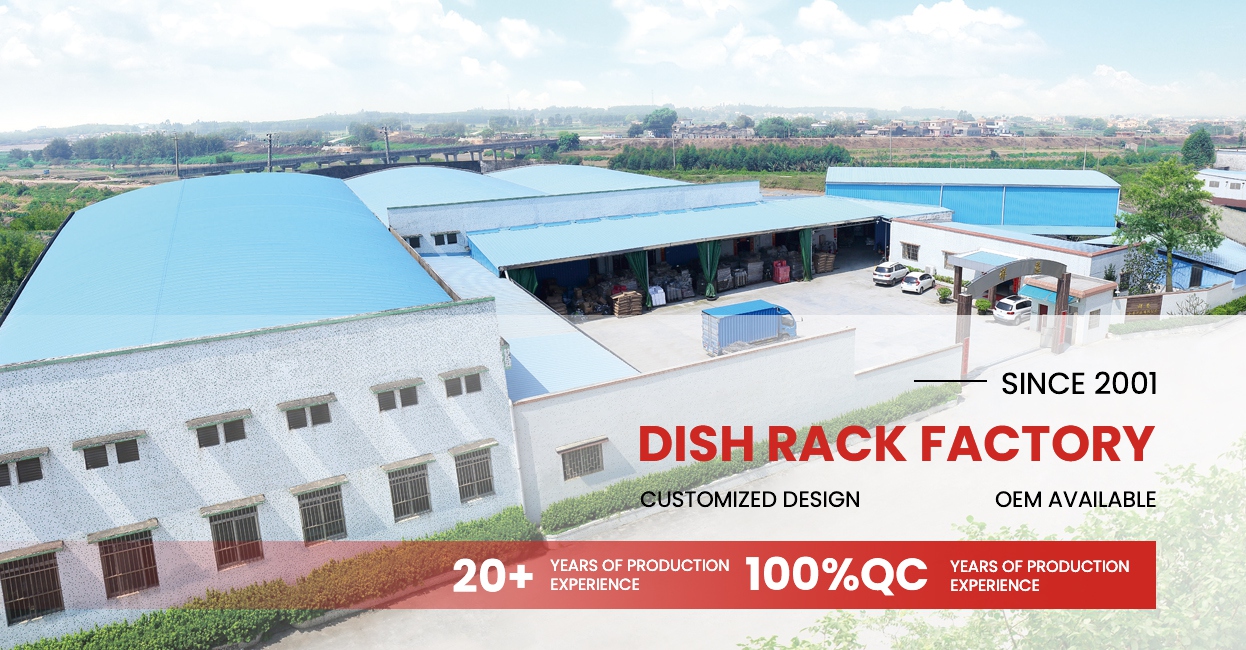
XIANGYU is based in Jiangmen, a major hardware production area in Guangdong, and specializes in customized dish rack manufacturing with strict quality management. Its catalog covers iron, stainless steel, and aluminum, but aluminum is especially suitable for current export demand because it supports multiple tier structures, customizable finishes, branded packaging, and repeatable production programs.
This focus is not only about product trend. It is about commercial efficiency. A lighter rack can reduce freight burden. A corrosion-resistant surface helps protect sell-through and user feedback. A modern appearance improves shelf appeal. These benefits make the aluminum dish rack a practical answer for wholesalers, importers, and private label buyers looking for consistent long-run supply.
There is no single answer for every market. Stainless steel is suitable for premium positioning. Iron can work for aggressive entry pricing. Yet when performance, weight, style, and supply efficiency are reviewed together, aluminum is often the strongest choice. It answers the real needs of modern kitchen storage better than a simple material price comparison suggests.
For that reason, aluminum remains the recommended dish rack material for many export programs today. It offers the most convincing balance in this metal dish rack comparison, and for companies building steady volume in kitchen organization products, it is often the best material for dish rack wholesale. XIANGYU’s aluminum series reflects that direction clearly through practical designs, customization support, and manufacturing experience built around long-term supply.
Previous: