linda@xydishrack.com
+86-13431729140
86-750-6338203

Private label kitchenware keeps gaining momentum, and customization is now one of the fastest ways to stand out on crowded shelves and product pages. Circana reported on March 31, 2026 that U.S. private label sales reached $330 billion, with a 24% unit share of the total market. That matters for dish rack programs because buyers are no longer asking only for a standard item. They want a product that looks consistent with their brand, fits their price level, and reflects their packaging strategy.
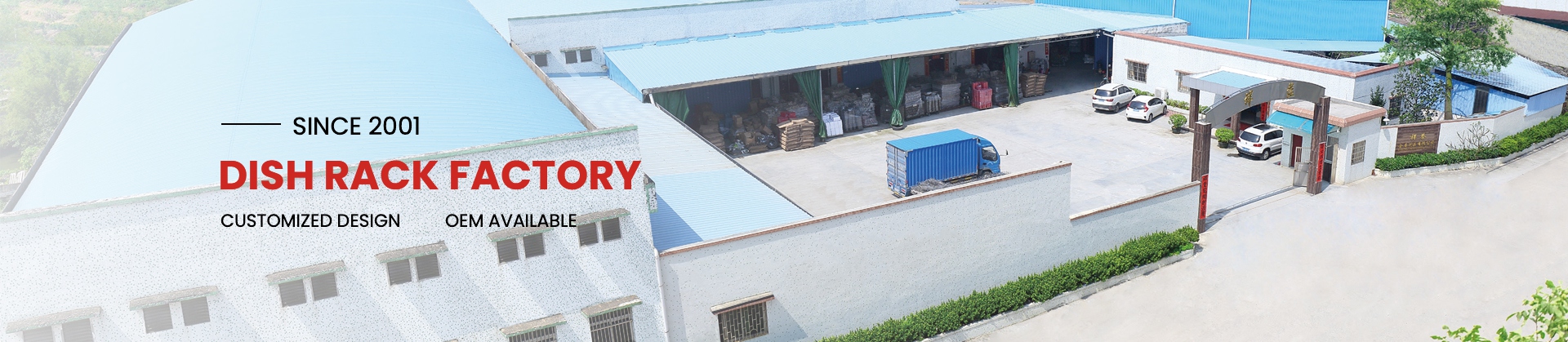
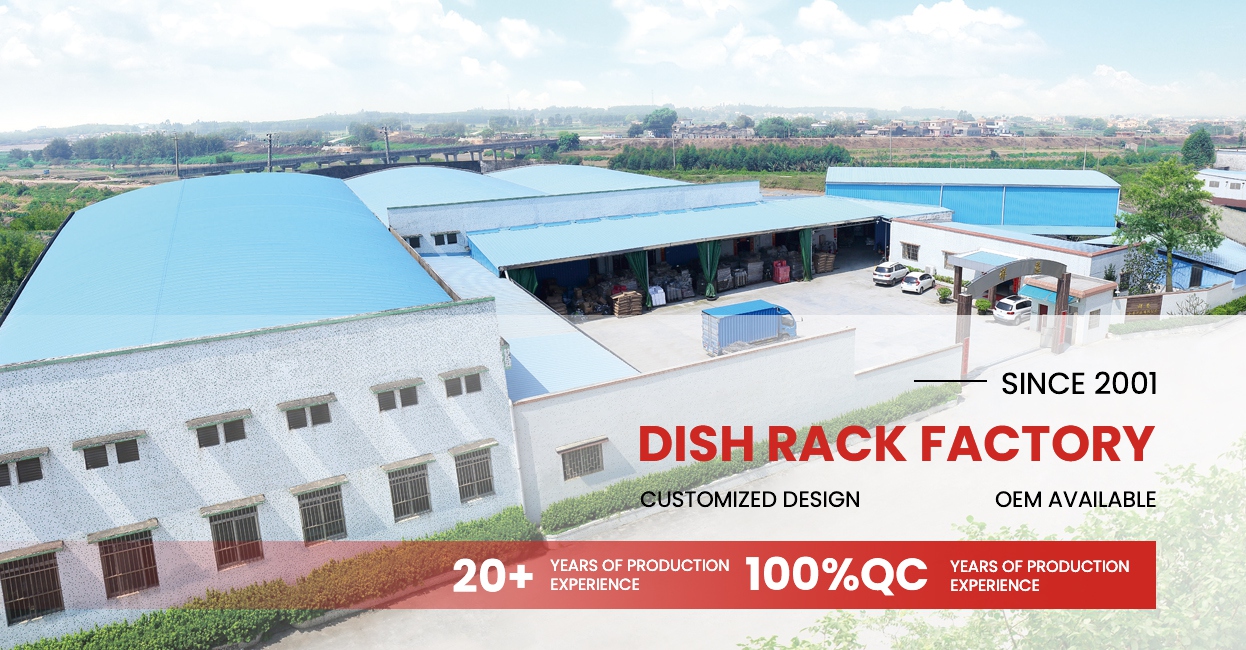
For a successful launch, customization should not stop at adding a logo. A strong OEM dish rack program usually combines product structure, finish, accessories, and packaging into one coordinated solution. XIANGYU is positioned well for this kind of work. The company states that it has been established since 2001, operates a 6,000 square meter factory, employs more than 100 people, offers aluminum, iron chrome plated, and Stainless Steel Dish Racks, and supports OEM production.
The first step is selecting a base structure that matches your market. Some brands need a compact countertop model for apartments, while others need a larger two-tier format with stronger visual impact. XIANGYU’s product range covers single-tier, two-tier, three-tier, foldable, over-the-sink, expandable, aluminum, iron, and stainless steel options, which makes it easier to build a line instead of a single item.
Structure design affects more than appearance. It affects storage logic, assembly time, carton size, and repeat ordering efficiency. For example, XIANGYU lists detachable two-layer models and aluminum single-layer models with removable cutlery parts, custom colors, customized logo support, color box packaging, sample availability, and delivery windows commonly around 35 to 45 days. Those are useful details when planning a branded collection with more than one SKU.
Material selection is a branding decision as much as a cost decision. Iron with coating can work well for value-focused lines. Stainless steel can support a cleaner premium message. Customizable aluminium dish racks are often attractive when a brand wants a modern, lightweight, and corrosion-resistant look.
This is also where sustainability can become part of the product story. The International Aluminium Institute reports that recycled aluminium uses 8.3 gigajoules per tonne versus 186 gigajoules per tonne for primary aluminium production, a 95.5% energy saving. When your brand wants a stronger circularity message, an aluminum-based line gives you more room to communicate material value in a credible way.
A logo is important, but it is only one layer of product recognition. Finish, color, silhouette, and accessory layout are what customers notice first when they scroll or walk past a shelf. XIANGYU’s product pages show support for customized logos and customized colors across multiple rack types, including aluminum and iron models. That creates room for a stronger private label rack identity without having to develop an entirely new product from zero.
Useful visual customization options usually include:
matte black, silver, or white as core retail colors
cutlery holders and cup sections arranged to match usage habits
handles, tray shape, and tier spacing adjusted for product style
logo placement on the frame, tray, label, or carton
When working with a custom dish drying rack supplier, it is better to review all these elements as one system. A clean logo on an unbalanced structure will not create a strong branded result.
Packaging often decides whether a dish rack feels like a commodity or a complete branded product. XIANGYU lists color box packaging on multiple product pages, which is a good starting point for retail-ready programs.
That matters even more now because packaging expectations are changing. McKinsey said in 2025 that after surveying 11,000 consumers across 11 countries, recyclability ranked as the most important factor when consumers evaluate sustainable packaging. For dish rack brands, this means the outer box should protect the product, communicate assembly clearly, and avoid unnecessary material complexity.
A good packaging plan for a private label kitchen rack can include:
brand color carton design
logo printing and product name system
installation guide with your brand tone
barcode and shipping mark layout
protective inserts matched to rack structure
recyclable packaging materials where possible
Before confirming artwork or sampling, align the full specification sheet. This reduces revisions and helps the factory quote accurately.
| Customization area | What to confirm |
|---|---|
| Structure | single tier, double tier, detachable, foldable, over-sink |
| Material | aluminum, coated iron, stainless steel |
| Finish | matte, glossy, oxidation, plating, powder coating |
| Color | standard color or custom match |
| Branding | laser logo, printed label, carton logo |
| Packaging | color box, master carton, insert protection |
| Accessories | tray, cutlery holder, cup rack, hooks |
| Order plan | MOQ, sample timing, delivery schedule |
This type of checklist is especially useful when developing several oem dish drying racks under one brand family.
Brand customization works best when the factory already has a wide product base and organized production. XIANGYU highlights strict quality management, independent production workshops, product development teams, and a highly automated workshop environment. The company also presents broad category coverage and long manufacturing history, which helps when a buyer wants both speed and product consistency.
For sourcing teams, that combination has practical value. It means one supplier can support entry-level coated models, premium aluminum options, and multiple packaging styles under the same brand direction. Instead of treating each SKU as a separate project, XIANGYU can help turn the line into a more unified collection.
Customizing a dish rack for your brand is not just about putting a logo on metal. The stronger approach is to match structure, finish, accessories, and packaging to the market you want to serve. With OEM support, flexible product categories, custom logo options, and retail-oriented packaging capability, XIANGYU offers a practical route for brands that want a more distinctive and scalable dish rack line.
Previous: