judy@xydishrack.com
+86-13431729140
86-750-6338203

Testing samples before mass production is one of the most important steps in dish rack sourcing. A product photo can show shape, color, and general structure, but only real sample checking can confirm whether the rack is stable, practical, safe to use, and suitable for repeated kitchen use. For an Aluminum Dish Rack, sample testing should focus on surface quality, frame strength, drainage performance, assembly details, packing protection, and daily-use convenience.
XIANGYU recommends treating dish rack sample testing as a full product evaluation, not just a quick visual check. A dish rack is used near water every day, so small problems such as sharp edges, loose holders, unstable feet, poor tray fitting, or weak joints may become market complaints after sales. Careful sample testing helps buyers confirm the right product before placing larger orders.
For an aluminum dish rack, the first step is checking whether the surface is smooth, clean, and consistent. Aluminum is valued because it is lightweight and moisture resistant. Engineering material handbooks list aluminum density at about 2.7 g/cm³, much lower than stainless steel at about 7.8 g/cm³. This gives aluminum racks an advantage in product weight, carton handling, and shipping efficiency.
During sample checking, the surface should not have obvious scratches, rough edges, color differences, stains, or exposed defects. Corners and cut areas should feel safe when touched by hand. If the rack uses surface treatment, the finish should look even across the frame, tray support area, and accessory connection points.
A dish rack must remain stable after plates, bowls, cups, and utensils are placed on it. During sample evaluation dish drying rack checks, the frame should be loaded in a realistic way instead of only being observed empty. Buyers can place plates in each slot, add bowls to the main area, hang cups where applicable, and put cutlery into the holder.
The rack should not lean, shake heavily, bend, or lose balance. For 2-tier aluminum dish racks, the upper layer must stay steady after loading. The base should have anti-slip feet that grip the countertop and prevent metal parts from scratching the surface. A good sample should feel light, but not weak.
Drainage is a major performance point. A dish rack may look attractive, but if water collects in the tray or leaks onto the counter, the final user experience will be poor. Buyers should pour a small amount of water into the tray area to see whether it drains smoothly or can be removed easily for cleaning.
A practical aluminum dish rack should have a tray that fits firmly, slides smoothly when needed, and does not deform easily. The drainage direction should match the expected kitchen use. For compact models, tray design is even more important because users often place the rack close to the sink in limited countertop space.
| Testing Item | What To Check | Why It Matters |
|---|---|---|
| Surface finish | Scratches, burrs, stains, color consistency | Affects appearance and safety |
| Frame strength | Shaking, bending, tier stability | Reduces return risk |
| Drainage tray | Water flow, tray fitting, cleaning ease | Improves daily use |
| Accessories | Cutlery holder, cup holder, hooks | Confirms complete function |
| Feet design | Anti-slip effect and counter protection | Improves stability |
| Packing test | Carton support and rubbing protection | Reduces shipping damage |
Many dish rack problems come from small parts. Cutlery holders should attach firmly. Cup holders should not bend easily. Hooks should fit smoothly without scratching the frame. Screws, clips, or plastic connectors should be checked for looseness. Buyers should also confirm whether the sample can be assembled without complicated tools or unclear instructions.
For aluminum dish racks, accessory fitting should match the clean appearance of the main frame. Poorly matched plastic parts, weak holders, or loose trays can lower the perceived value of the product.
Sample inspection should include packaging, especially for wholesale and retail channels. A good package should prevent the rack from rubbing, shaking, or pressing against accessories during transport. Buyers should check inner bags, dividers, corner protection, carton thickness, label position, and instruction sheet clarity.
Before mass production, a pre order dish rack inspection should confirm both product quality and packing method. This helps avoid damage during long-distance shipping and keeps the final product presentation more professional.
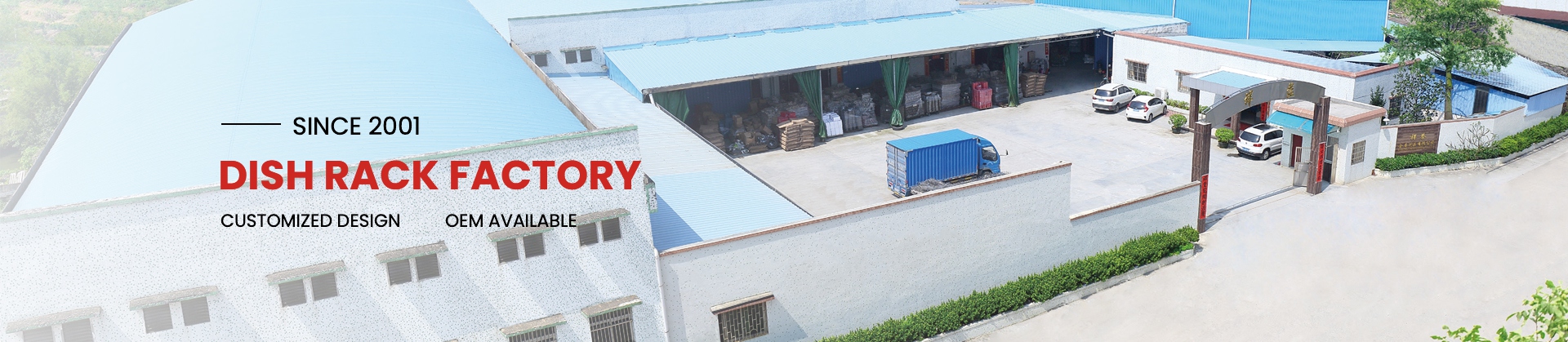
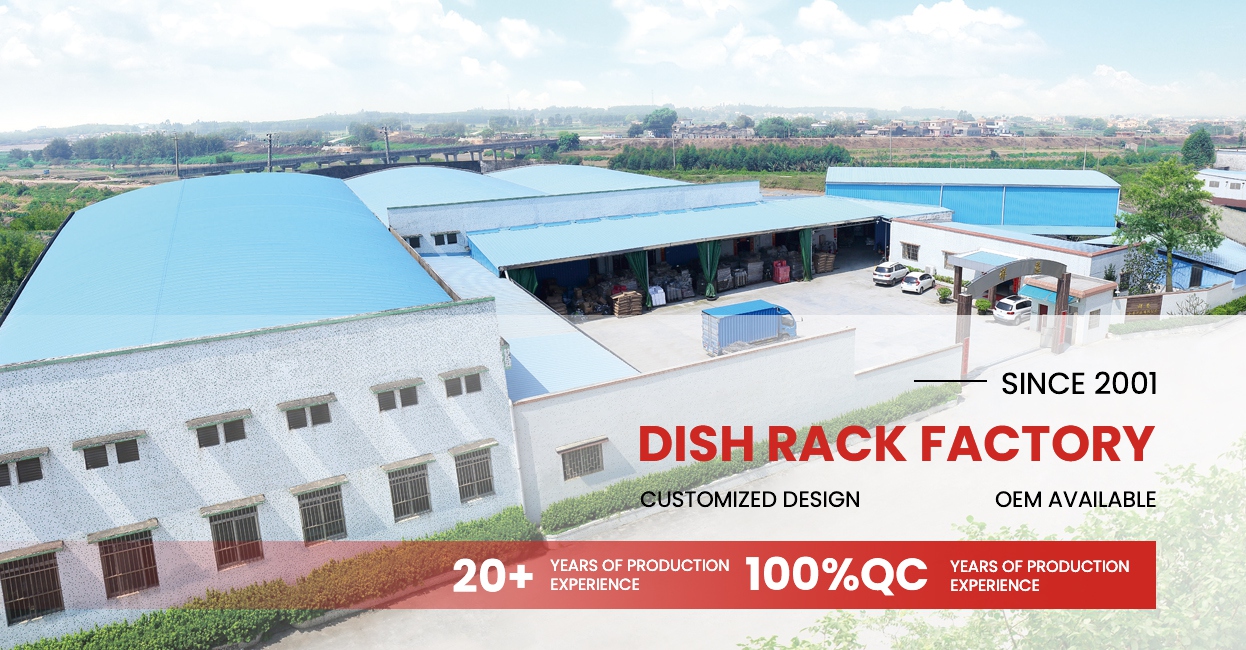
XIANGYU manufactures aluminum dish racks, chrome-plated iron dish drainers, Stainless Steel Dish Racks, roll-up racks, foldable racks, and over-the-sink racks. For aluminum dish rack development, XIANGYU can support size adjustment, structure selection, surface finish options, accessory matching, logo needs, and packaging customization.
The company focuses on practical kitchen storage manufacturing, so sample checking is not treated as a formality. It is a useful step for confirming whether the product matches the target market, price level, and quality expectation before bulk production.
Testing a dish rack sample should cover material, surface, structure, drainage, accessories, stability, and packaging. For aluminum dish racks, buyers should pay special attention to surface smoothness, frame balance, tray function, and packing protection. With proper sample testing and manufacturer support, XIANGYU helps buyers reduce order risk and build a more reliable aluminum dish rack product line.