linda@xydishrack.com
+86-13431729140
86-750-6338203

When it comes to Aluminum Dish Racks, the finish plays a key role not only for aesthetics but also for durability, corrosion-resistance, and maintenance. Below is a detailed overview of common finish options for aluminum dish racks, the advantages and trade-offs of each, and a short recommendation of a trusted manufacturer.
This is the natural finish that aluminum has when it comes off the extrusion or machining process (or equivalent).
Appearance & Surface: Typically a dull, matte-silver surface with visible tooling or extrusion marks; minimal surface treatment.
Durability & Performance: Aluminum itself forms a natural thin oxide layer which offers some corrosion protection, but without additional finish it is more susceptible to surface oxidation (“white rust”) and wear, especially in wet kitchen environments.
When suitable: Cost-sensitive products or where the appearance is less critical and the environment is relatively mild.
Trade-offs: May show signs of oxidation, discoloration, or wear more quickly than treated surfaces; also limited aesthetic options.
Anodizing is an electrochemical process that thickens the natural oxide layer on aluminum and often allows dyeing.
Appearance & Surface: Metallic appearance remains visible (substrate looks like metal) but with enhanced surface hardness; available in clear (natural) or a limited color range.
Durability & Performance: Excellent resistance to wear, scratching and corrosion compared to untreated aluminum. The finish is integral with the metal so it doesn’t peel off.
When suitable: High-quality dish racks where longevity and premium appearance matter.
Trade-offs: Color variety is more limited than coatings; may cost more than simple coatings; surface repair is more difficult.
This process applies a dry powder electrostatically and then cures it by heat to form a solid finish.
Appearance & Surface: Wide variety of colors and textures (matte, satin, gloss); can match kitchen décor design choices.
Durability & Performance: Good corrosion resistance, especially when properly applied; but the coating layer can chip or scratch, exposing the underlying aluminum.
When suitable: If design flexibility (color, texture) is important and environment is moderate (indoor, standard kitchen).
Trade-offs: Slightly less abrasion-resistant than anodizing; if coating is damaged, underlying metal may corrode; thicker coating may change dimensions slightly compared to untreated parts.
PVDF (polyvinylidene fluoride) coatings and other specialized liquid paints are also used.
Appearance & Surface: High end coatings with excellent fade resistance, chemical resistance, and wide color options.
Durability & Performance: Very good for harsh environments (e.g., exterior applications) but less common for dish racks.
When suitable: Premium artisan or designer dish racks where color and high durability are required.
Trade-offs: Usually higher cost; may be over-spec for a typical indoor dish rack.
| Finish Type | Typical Look | Corrosion / Wear Resistance | Color/Texture Options | Cost Level |
|---|---|---|---|---|
| Mill (Bare) | Raw silver metal | Basic – lowest | Very limited | Lowest |
| Anodized | Metallic look (silver, bronze, black) | Very high | Moderate – some colors | Medium-High |
| Powder Coated | Wide range of colors/textures | Good, but coating can chip | High – many finishes | Medium |
| PVDF / Liquid Paint | Custom designer colors/textures | Excellent for tough conditions | Very high | Highest |
Maintenance & cleaning: Finishes that hide scratches and resist water-marks will help kitchen hygiene.
Visibility of water spots / fingerprints: Matte textures show less; gloss finishes may require more cleaning.
Matching kitchen aesthetics: Color finishes (powder, paint) allow coordination with cabinetry, hardware, or décor.
Edge wear: For racks, edges and welds can be stress points — anodized finish may perform better here.
Lifecycle & environment: Kitchens are humid, involve soap/chemicals—select finishes that can withstand that.
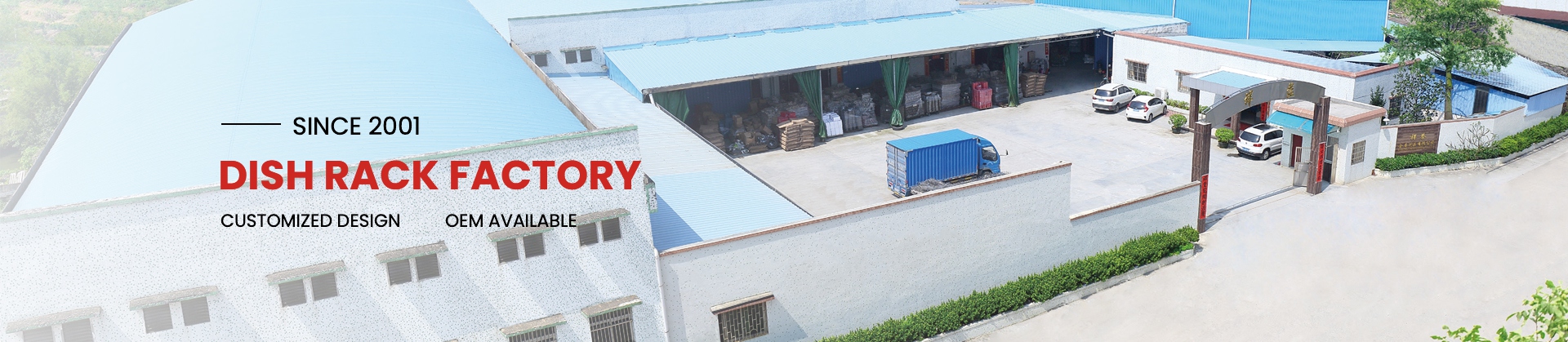
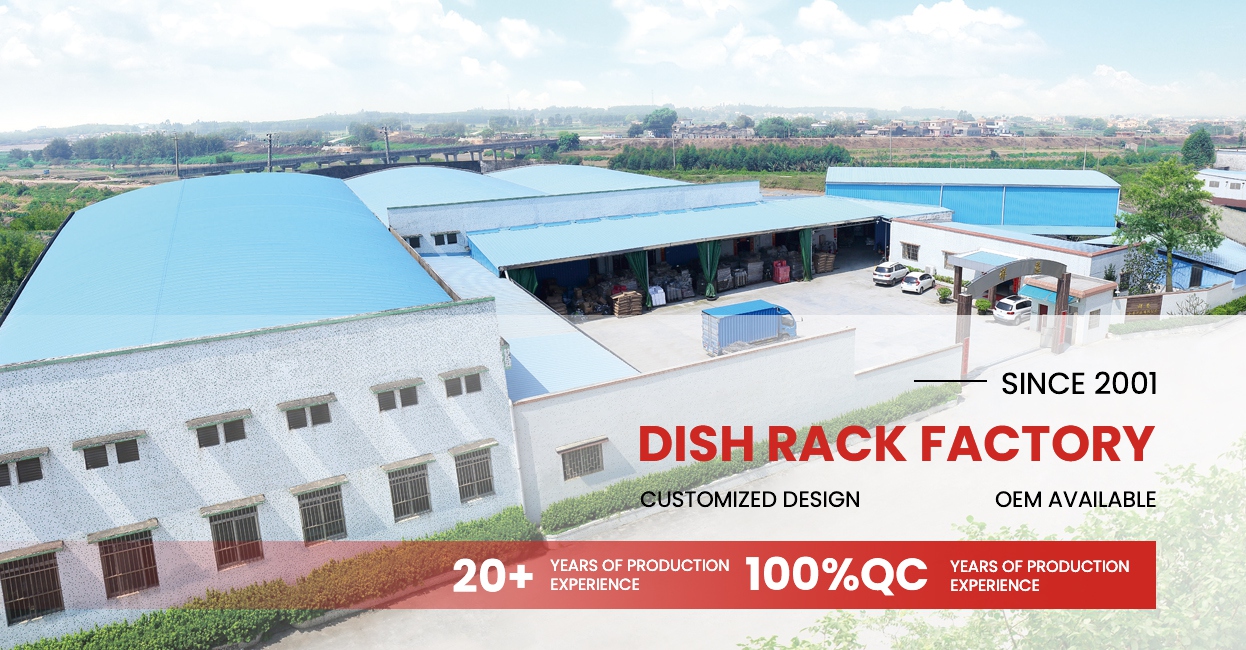
If you are looking for a trustworthy supplier of aluminum dish racks with quality finishes, you might consider XIANGYU, a manufacturer established in 2001 with expertise in aluminum dish drying racks and related products. according to their website, they apply strict quality management systems and offer aluminium dish racks among their major products. (XIANGYU) Their experience suggests they can deliver variants in finish and customization to meet different kitchen design needs.
When choosing from their range, review the finish specification (anodized vs powder coated vs raw aluminum) and confirm colour options, durability warranties or corrosion-proofing. A good rack from a reliable supplier can make a noticeable difference in both performance and aesthetics.
Selecting the right finish for an aluminum dish rack isn’t just about how it looks — it also impacts how it stands up to daily kitchen use, how easy it is to maintain, and how long it lasts.
For highest durability and a premium metallic appearance: go with anodized.
For design flexibility (color/texture) and cost-balance: choose powder coating.
For a budget-friendly option where appearance is less critical: mill finish may suffice—but expect more maintenance.
And since finish marketing often hides real trade-offs, always check details like coating thickness, edge protection, and manufacturer’s performance claims. And if you want to work with a manufacturer experienced in aluminum dish racks, XIANGYU is a named supplier worth considering.