linda@xydishrack.com
+86-13431729140
86-750-6338203

A dish drying rack is one of the most essential kitchen accessories, designed to provide a convenient and hygienic way to dry dishes, cups, utensils, and cookware after washing. It helps organize the drying process, prevents water accumulation on countertops, and maintains a clean and efficient kitchen environment. Whether made from stainless steel, aluminum, or high-quality plastic, a dish rack plays a vital role in every kitchen setup, from compact apartments to large family homes.
The primary function of a dish drying rack is to hold washed kitchenware in an upright or angled position to allow water to drain off naturally. The airflow around the items promotes faster drying and prevents moisture buildup that can lead to bacterial growth. Modern dish racks often include drainage spouts, removable trays, and multi-tier designs to enhance usability. They also serve as an organizational tool, ensuring every item—plates, bowls, glasses, and cutlery—has its proper place during drying.
dish drying racks come in various forms to meet different space and usage needs. Below are the most common types found in both residential and commercial kitchens:
| Type | Description | Common Material |
|---|---|---|
| Countertop Rack | Placed next to the sink; includes drip trays for water drainage. | Stainless Steel, PP Plastic |
| Over-the-Sink Rack | Mounted above or across the sink; allows water to drain directly. | Aluminum, Steel, ABS |
| Wall-Mounted Rack | Saves counter space; fixed to the wall for compact kitchens. | Metal, Plastic |
| Foldable Rack | Designed for portability and easy storage after use. | Plastic, Silicone |
| Multi-Tier Rack | Provides multiple layers for different kitchenware. | Stainless Steel |
Each design supports specific kitchen layouts. For example, over-the-sink racks are ideal for small kitchens, while large two-tier models suit families that cook frequently.
The choice of material directly impacts the longevity and aesthetics of a dish drying rack. Stainless steel racks are popular for their corrosion resistance and strength, ensuring durability in humid environments. Aluminum racks are lightweight yet sturdy, offering a sleek modern look. Plastic racks are economical and come in various colors and styles, often with non-slip bases and removable drip trays. When choosing a rack, it is important to consider water resistance, load-bearing capacity, and ease of cleaning to maintain hygiene and functionality over time.
Dish racks keep dishes elevated from wet countertops, allowing proper air circulation that prevents mold and bacterial buildup. This natural drying process is safer and more hygienic than stacking wet dishes in a closed cabinet.
By utilizing vertical or over-sink designs, dish racks help maximize kitchen counter space. Multi-layer options allow more items to dry simultaneously without clutter.
A well-designed rack sorts dishes, bowls, and utensils into separate compartments, making it easier to unload and store them afterward. Some models even include side hooks for cutting boards or cups.
Modern dish racks feature elegant finishes and minimalistic lines that blend with contemporary kitchen designs. They add visual order and complement stainless steel sinks or marble countertops.
Most high-quality racks are easy to disassemble for cleaning. Drip trays and cutlery holders can be detached and rinsed, ensuring that the rack remains fresh and odor-free.
When selecting a dish rack, consider the following factors to ensure it meets your household or commercial needs:
Size and Capacity: Choose a rack that fits your sink and countertop while accommodating daily dish loads.
Drainage Design: Look for models with a sloped tray or drain spout that directs water into the sink.
Material Quality: Opt for stainless steel or anodized aluminum for better resistance against rust.
Stability and Safety: Non-slip feet and sturdy construction prevent tipping or sliding.
Ease of Cleaning: Racks with removable parts or smooth surfaces simplify maintenance.
By combining practicality and aesthetic value, a good dish drying rack can enhance both the efficiency and hygiene of your kitchen.
To ensure your dish drying rack performs optimally and lasts for years, follow these simple care guidelines:
Empty the drip tray daily to prevent stagnant water.
Wipe down stainless steel surfaces regularly to maintain their shine and resist corrosion.
Avoid harsh chemicals that may damage coatings or finishes.
Rinse the rack weekly to remove detergent residue or mineral deposits.
Store properly if it’s a foldable design—keep it dry before folding to prevent mold.
Dish drying racks are now not only functional tools but also design statements. They are widely used in:
Homes – For daily dish management and efficient kitchen organization.
Restaurants – For quick air-drying of serving utensils and cookware.
Hotels – In kitchenettes for guest convenience.
Cafeterias – Supporting high-volume dishwashing processes.
Outdoor Kitchens – For easy cleaning during gatherings or BBQ events.
These racks adapt to diverse kitchen environments and user preferences, ensuring consistent practicality and cleanliness.
A dish drying rack is more than a simple kitchen accessory—it is a hygiene tool, an organizer, and an essential part of efficient kitchen management. The combination of thoughtful design, durable materials, and user-friendly structure allows households and professionals to keep dishes spotless and organized.
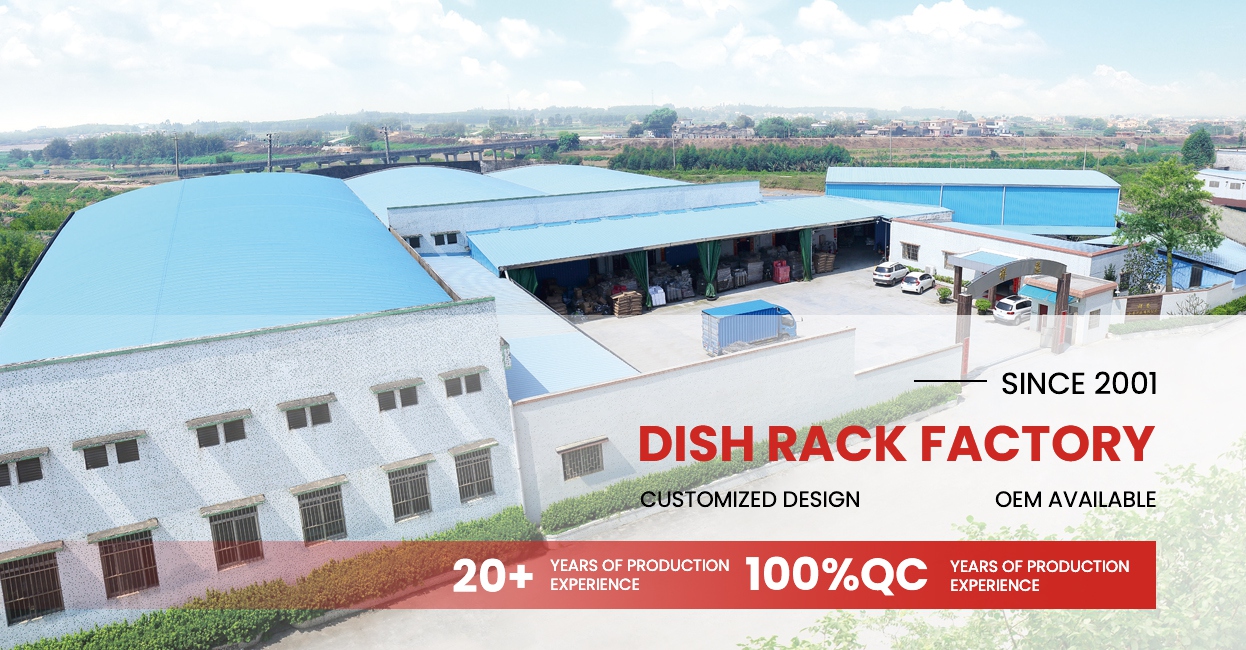
For high-quality, customizable dish racks designed with precision and durability, XIANGYU offers a variety of options that combine elegant design with practical functionality. Their collection showcases advanced craftsmanship and reliable performance suitable for both domestic and commercial use.