judy@xydishrack.com
+86-13431729140
86-750-6338203

Exporting dish racks into international markets is not only about product design or pricing. Compliance determines whether goods can clear customs, enter retail channels, and maintain long-term sales stability. Certification frameworks differ across regions, but they share a common goal: ensuring safety, material integrity, and environmental responsibility. For manufacturers involved in global trade kitchenware, understanding certification requirements early in product development helps avoid costly redesign, shipment delays, and compliance risks.
Dish racks fall under kitchenware and household storage products, which are generally categorized as low-voltage, non-electrical goods. However, they still require strict control over materials, coatings, and food-contact safety. This is where dish rack certification becomes a critical factor in export readiness.
Certification is often treated as a documentation step, but in practice, it reflects the manufacturing system behind the product. According to the International Organization for Standardization, more than one million companies worldwide operate under ISO 9001 quality management systems, showing how global buyers increasingly rely on standardized processes to evaluate suppliers. In kitchenware categories, compliance also influences retailer acceptance and platform listing requirements.
For dish racks, certification impacts several areas:
Customs clearance efficiency in regulated markets
Acceptance by distributors and retail chains
Long-term product liability and safety assurance
Consistency across bulk shipments
A clear kitchen rack compliance guide helps align product structure, materials, and finishing processes with target market expectations before production begins.
Different regions apply different compliance frameworks. Exporters must match product specifications with the correct regulatory requirements to ensure smooth entry.
The EU focuses strongly on chemical safety and environmental impact.
REACH regulation controls the use of chemical substances in materials and coatings
LFGB applies to food-contact materials, ensuring no harmful substances migrate to food
RoHS may apply when coatings or accessories involve restricted substances
The European Commission reports that REACH regulates thousands of substances to protect human health and the environment. For dish racks, especially those used in kitchens, material traceability and coating safety are essential parts of dish rack export certification requirements.
The US market emphasizes material safety and consumer protection.
FDA guidelines apply to food-contact materials
California Proposition 65 requires disclosure of certain chemicals
ASTM standards may be referenced for structural safety and durability
Data from the US Food and Drug Administration indicates strict control over materials that may come into contact with food or water. For dish racks, especially drying racks, this applies to coatings, welding joints, and surface treatments.
These markets often combine international standards with local certification schemes.
SASO certification in Saudi Arabia
SIRIM in Malaysia
Local conformity marks depending on country
While requirements may vary, many importers still request ISO-based documentation and third-party testing reports to ensure reliability.
Dish racks are typically made from stainless steel, iron with coating, or aluminum. Each material requires different compliance checks.
For example, large Aluminum Dish Rack models must ensure:
Surface treatment does not release harmful residues
Structural stability under load conditions
Corrosion resistance in humid kitchen environments
According to the International Aluminium Institute, global aluminum production remains high, making it a widely used material in kitchenware. However, anodizing and coating processes must meet safety standards to ensure compliance in export markets.
stainless steel racks must meet grade requirements such as food-grade classifications, while coated iron racks must pass tests related to adhesion and chemical safety.
Beyond product-level certification, factory-level systems play an important role in ensuring consistent export quality.
| Certification | Purpose | Impact on export |
|---|---|---|
| ISO 9001 | Quality management system | Ensures stable production and process control |
| ISO 14001 | Environmental management | Supports compliance with eco regulations |
| BSCI or SEDEX | Social compliance | Required by many international buyers |
| Third-party testing reports | Product validation | Confirms compliance with target market standards |
These certifications strengthen the credibility of a manufacturing supplier, especially when handling repeated shipments and OEM production.
Certification is not limited to documentation. Physical testing plays a key role in verifying product performance.
Common tests include:
Load-bearing tests to ensure racks hold expected weight
Salt spray tests to evaluate corrosion resistance
Coating adhesion tests to prevent peeling
Stability tests for multi-tier structures
Industry testing data shows that corrosion resistance is one of the most critical factors for kitchen storage products, especially in humid environments. This is why surface finishing quality is often reviewed alongside export standards rack, quality certification.
To ensure smooth export, certification must be integrated into the production process rather than added at the final stage.
A structured approach includes:
Confirm target market regulations before product design
Select compliant materials and finishes early
Conduct pre-production sample testing
Maintain batch-level quality inspection records
Prepare documentation for each shipment
Manufacturers that follow this approach reduce the risk of rejection and maintain stable supply across different markets.
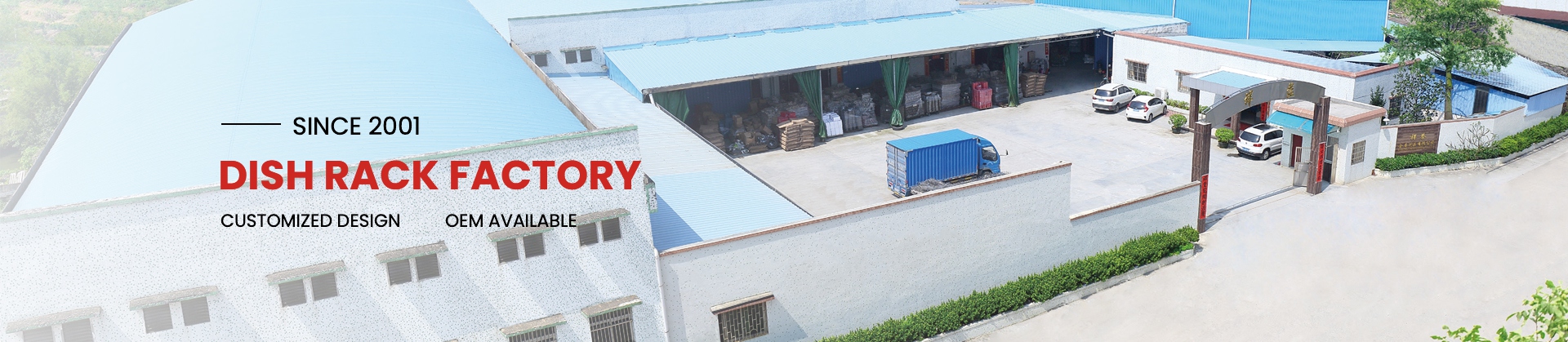
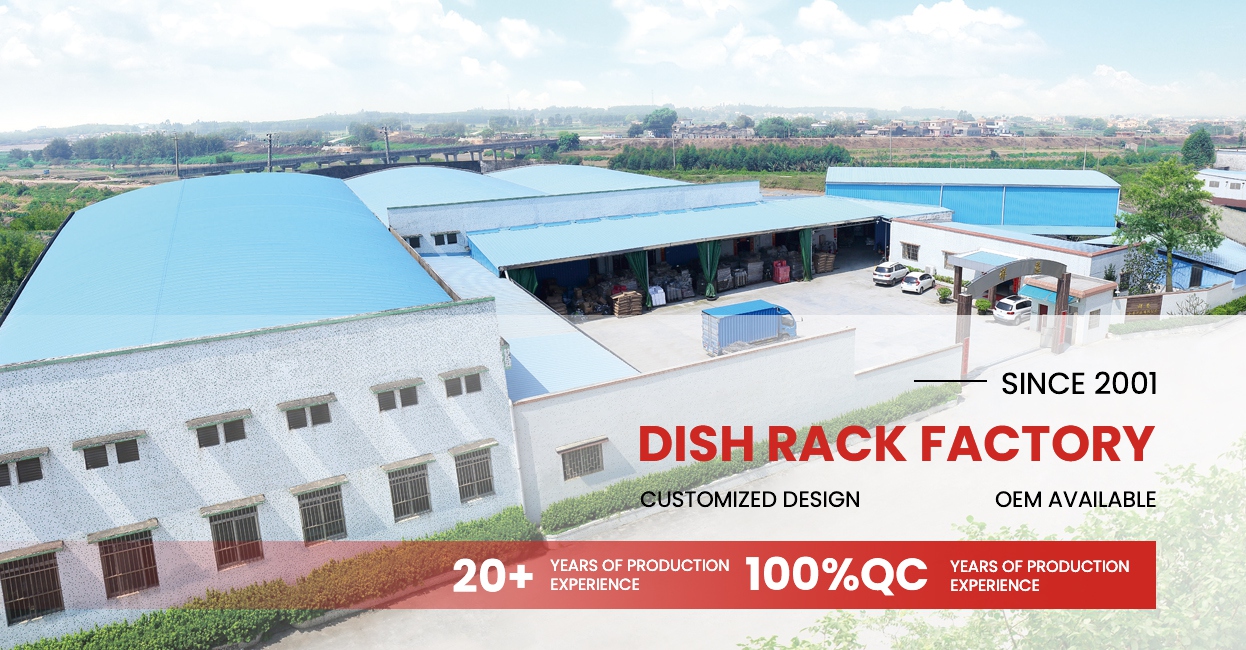
XIANGYU focuses on aligning production with international compliance expectations through material selection, process control, and quality inspection. With a broad product range including stainless steel, coated iron, and aluminum dish racks, the company is able to adapt to different certification requirements depending on export destination.
Its manufacturing system supports OEM customization while maintaining consistent quality standards. This allows products to meet varying dish rack export certification requirements across regions without compromising production efficiency. Combined with stable output and structured quality management, this approach helps ensure that every shipment meets both regulatory and customer expectations.
Dish rack export success depends on more than product appearance or pricing strategy. Certification defines market access, while quality systems ensure long-term supply stability. From REACH and FDA compliance to ISO-based management systems, each layer of certification contributes to a reliable export framework.
Understanding and applying the right certifications allows manufacturers to operate confidently in global trade kitchenware, ensuring that products not only reach international markets but remain competitive and compliant across repeated shipments.